
Signs Your HVAC Needs Repair

praveen • July 7, 2025

Share this article


Signs Your HVAC Needs Repair

Your HVAC system is responsible for maintaining a comfortable temperature in your home throughout the year. However, even the most reliable system encounters problems from time to time, especially in warm, humid areas like Raleigh and Wake Forest, where the climate puts the system under heavy pressure.

Without prompt HVAC repair, minor issues can quickly escalate into more significant and expensive problems. Or at worst, lead to a complete breakdown of your HVAC system.

This is why it is essential for Triangle-area homeowners to recognize the early signs of system malfunction and take prompt action. In this post, we will guide you through the signs that indicate your HVAC system needs repair, and how the team at Casey Services HVAC can help you resolve the issue before it worsens.
AC is Blowing Warm Air

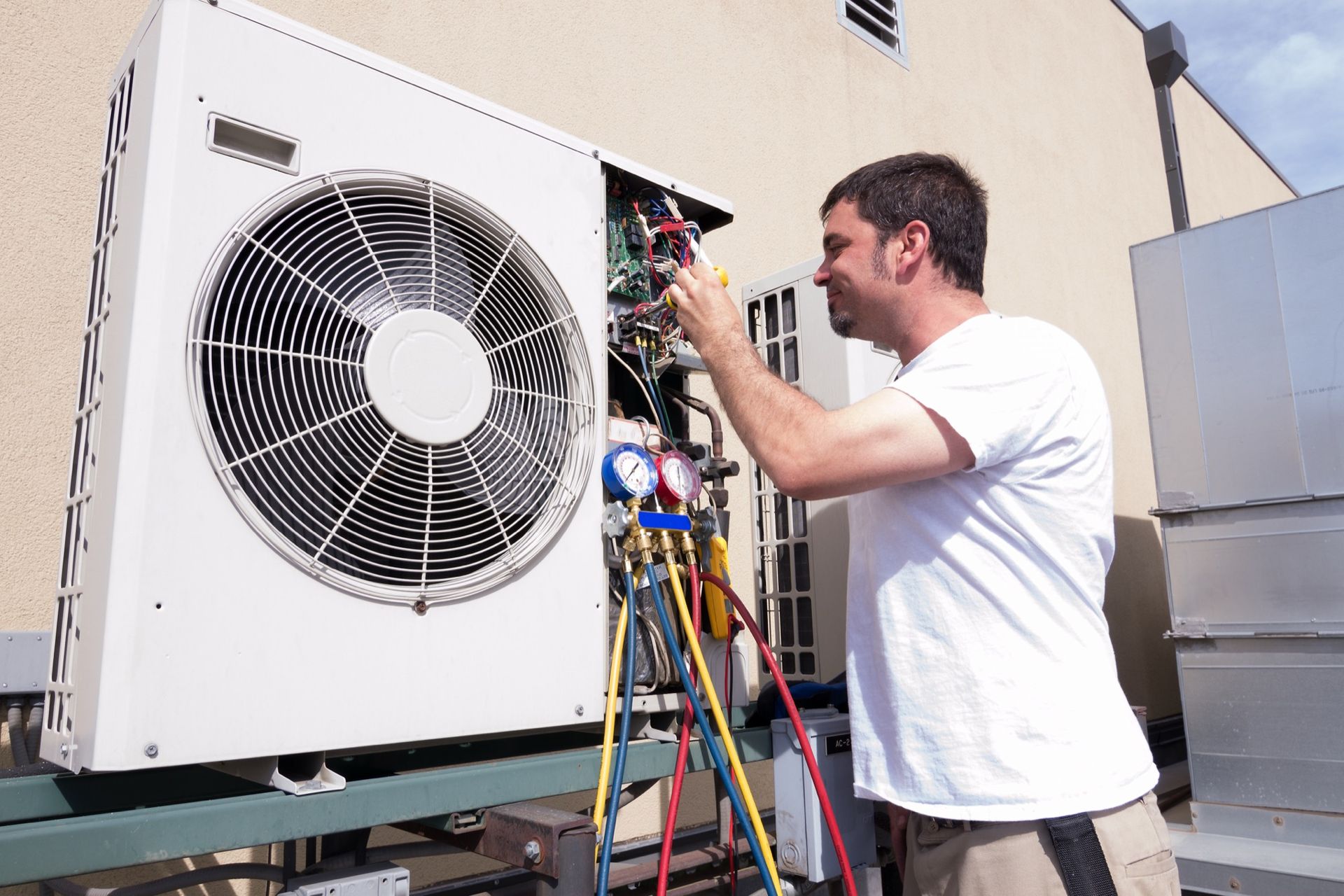
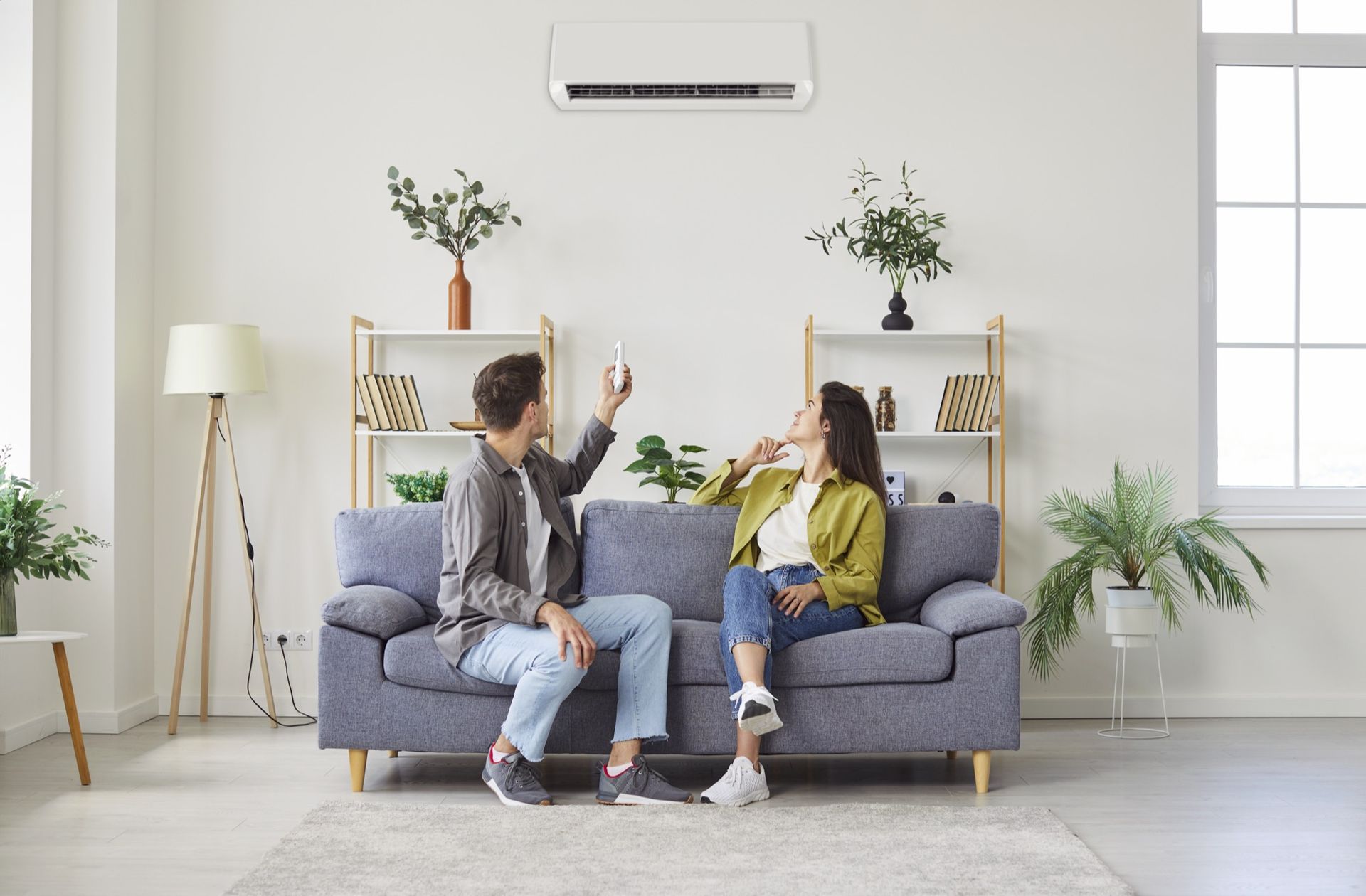
If you are running your AC and warm air is blowing out of the vents, that is a major red flag. The problem can be as simple as a thermostat glitch. It could also be a sign of more serious issues such as refrigerant leakage, compressor problems, clogged air filter or ducts, or a wiring problem.

You can resolve this by checking that your thermostat is set to the correct mode. Then feel the air coming from your vents. If it is consistently warm, shut off your system to prevent further damage and call your HVAC contractor.

Sudden Spike in Your Energy Bill

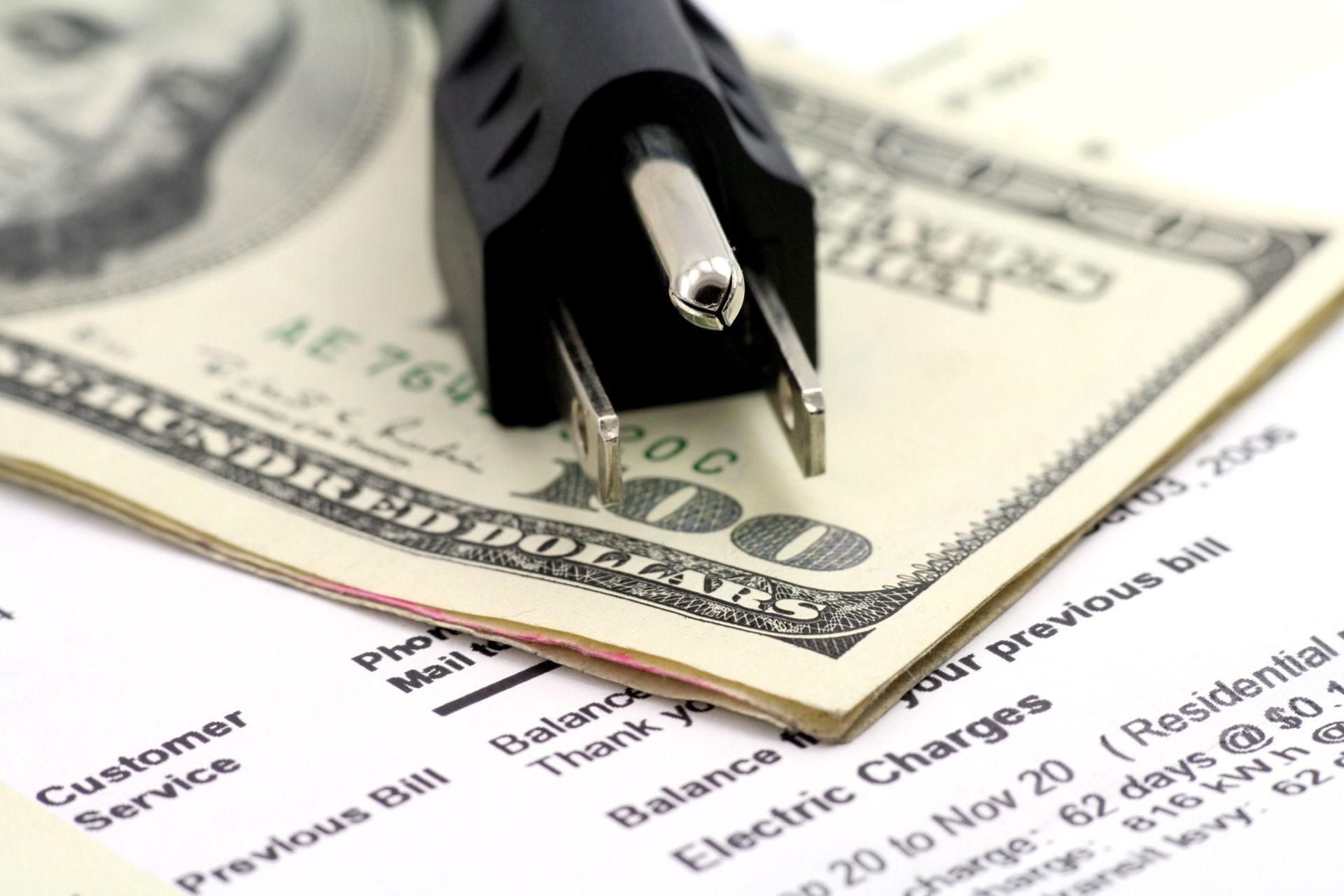
A sudden rise in your energy bill can be a sign that you need HVAC repair. While it is normal for your energy costs to increase in the summer, an unexplained rise (double your normal cost) is a sign that your system needs urgent repair.

When cooling costs suddenly skyrocket, it means your system is not operating efficiently, and it is struggling to meet your comfort needs. If an inspection or repair is not carried out, it can lead to a system breakdown, especially when you need it the most, putting your family’s health and comfort at risk.

Common causes of high energy bills (caused by HVAC) include: 

  • Refrigerant leaks
  • Blocked ductwork
  • Dirty coils
  • Compressor failure
  • Aging equipment.
A diagram showing how Net Metering works for a home.

Unusual Noises

Your heating and cooling system should produce a gentle, consistent humming sound in the background. If you start hearing sounds that are out of the ordinary, it’s a sign that something is wrong, and you may need HVAC repair. Different sounds can point to various problems. For example,

  • Screeching or Scratching Sound: A belt has slipped out of position
  • Grinding or Squealing Sounds: Worn-out motor bearings or fan issues
  • Banging sounds: Loose or broken compressor or blower parts
  • Hissing: Potential refrigerant leaks
  • Rattling: Loose ductwork or debris inside the unit

While some of these issues may seem minor at first, neglecting them can lead to more serious problems for your heating and cooling system, affecting its functionality, comfort, and even causing unplanned downtime or breakdown.

If you suspect a failing part, switch off your system and call an HVAC contractor. If you call Casey HVAC Services Inc our HVAC contractors will inspect your system, identify the issue, and recommend the best solution, whether it involves a repair or replacement.

Weak Airflow from Vents

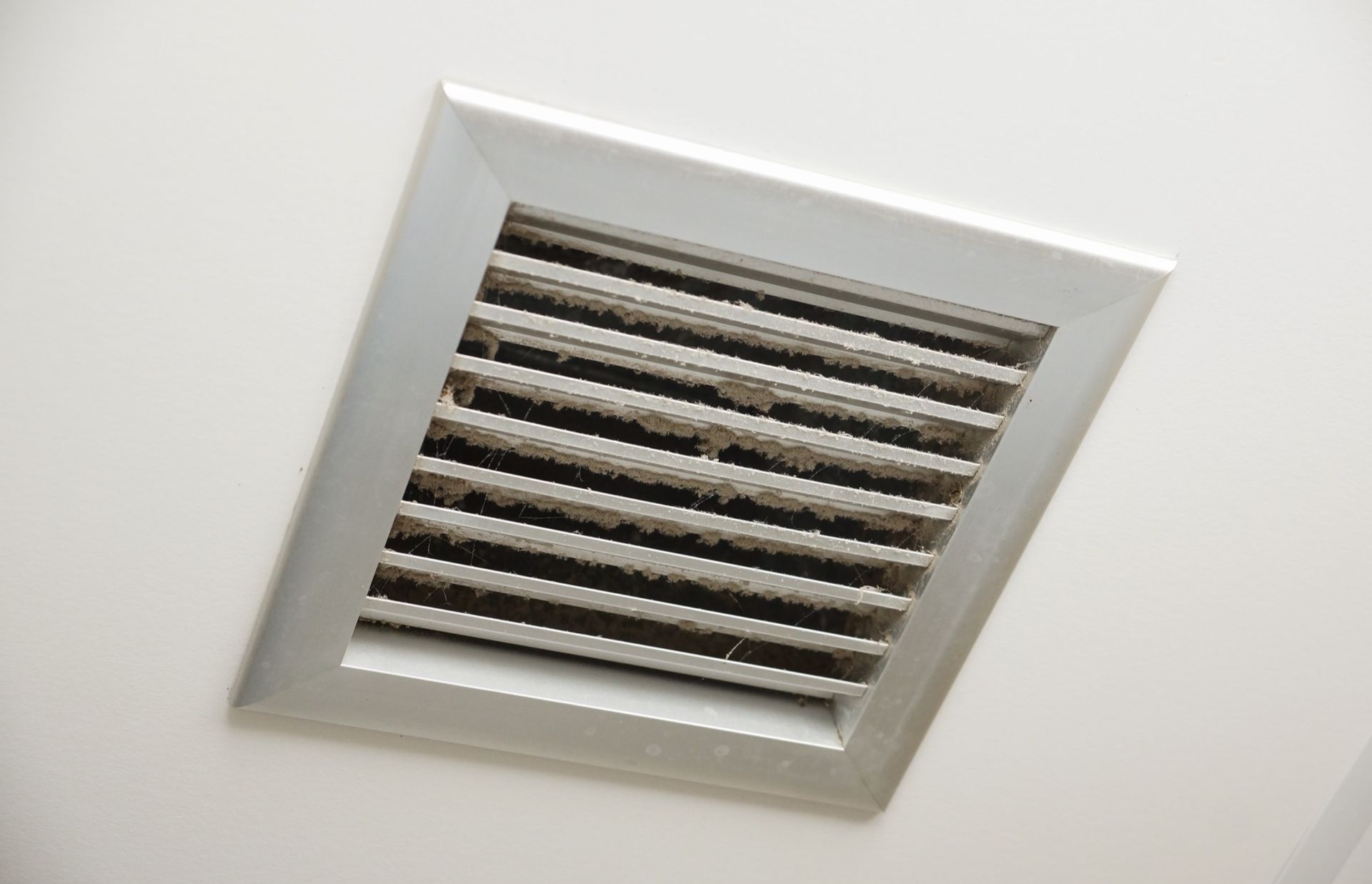
When you place your hand in front of your vents, you should feel a steady and strong stream of cool air blowing from them. If the air barely moves or doesn’t blow at all, it is a sign that something is wrong. This issue is common in older homes throughout Wake Forest and North Raleigh, where the ductwork may be aging or improperly sized for modern heating and cooling systems.

Reduced airflow is often a sign of an underlying issue with the HVAC system. It may be due to:

  • Leaks or blockages in ductwork
  • Low or leaking refrigerant
  • Frozen evaporator coils
  • Blower motor failure
  • Malfunctioning thermostat

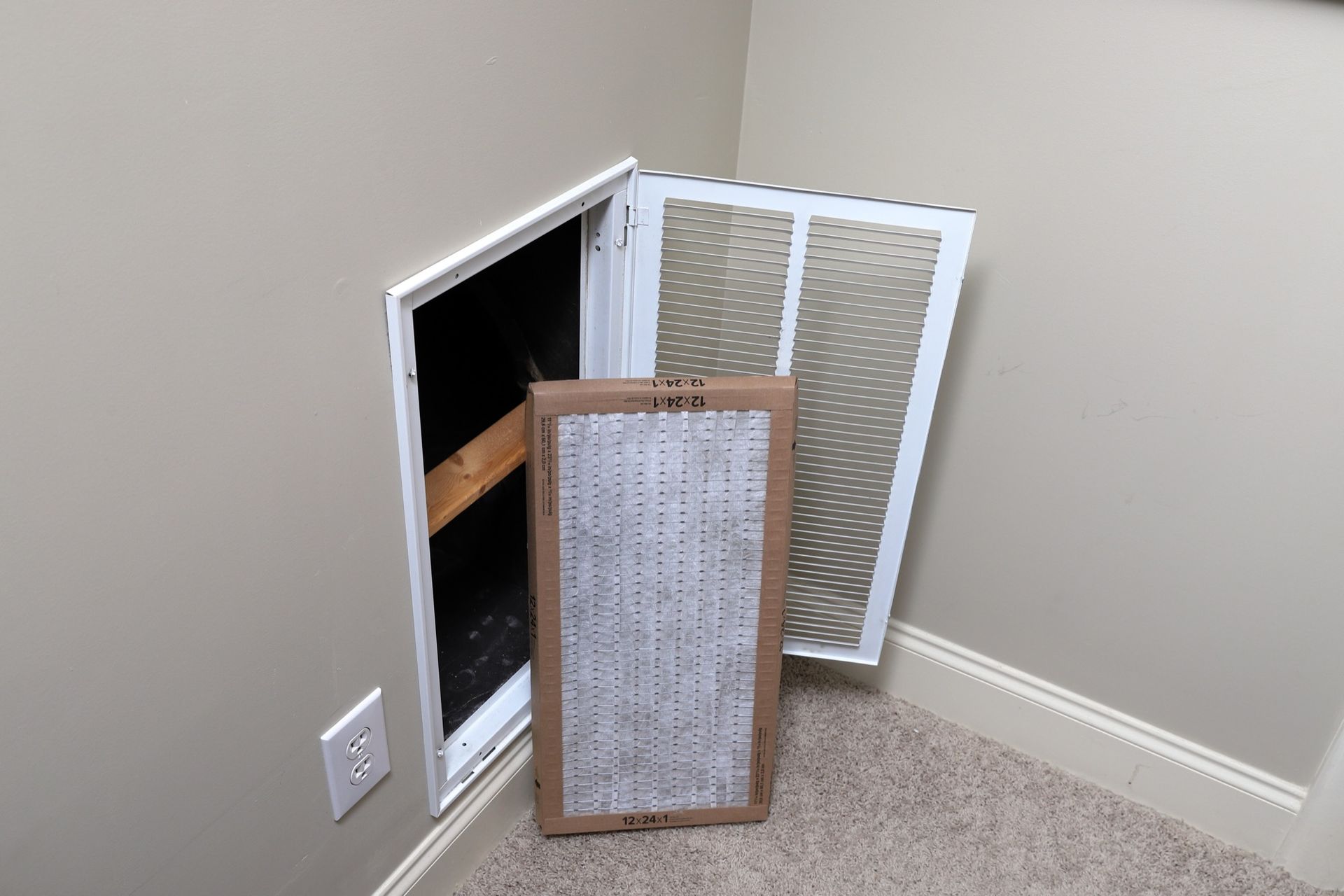
Poor airflow means your HVAC system is wasting energy, and your home is not being cooled or heated appropriately. Left unchecked, it can strain your system and lead to an untimely breakdown.
A diagram showing how Net Metering works for a home.

Frequent Cycling

It is normal for your HVAC system to turn on and off periodically to maintain the desired home temperature. However, if your unit seems to turn on and off frequently it is called short cycling.

Short cycling strains key components of your HVAC system, reducing their efficiency and the lifespan of your equipment. Parts such as capacitors and motors are usually the first to be affected, before more expensive and complex repairs are needed.

The common causes of short cycling are:

  • A faulty thermostat sends incorrect signals to your system
  • Dirty or frozen coils are forcing your system to overheat and shut down early.
  • Overheating compressor
  • Improper system sizing
  • Low or leaking refrigerant
  • Blocked or restricted air flow

Moisture Around Your Unit

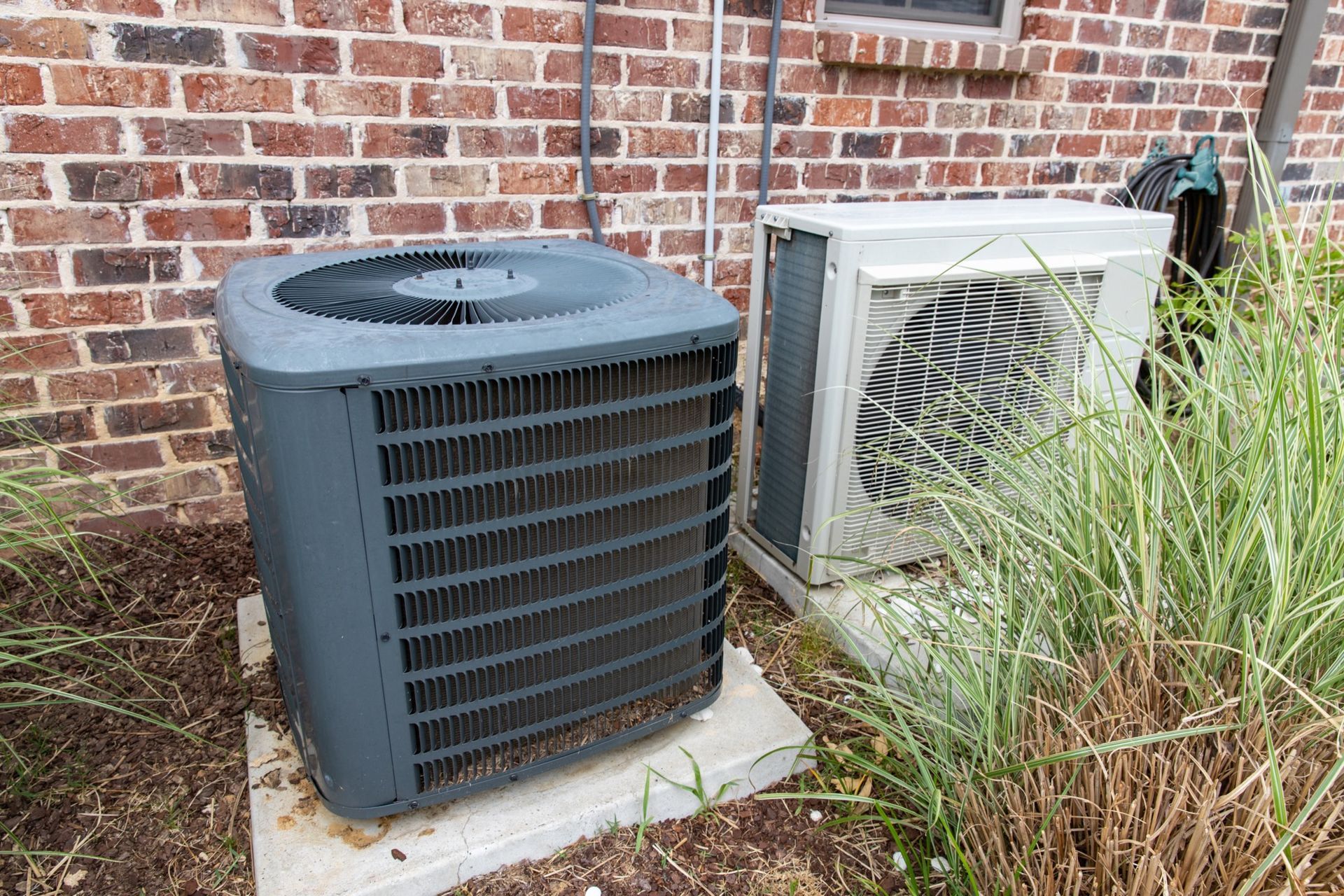
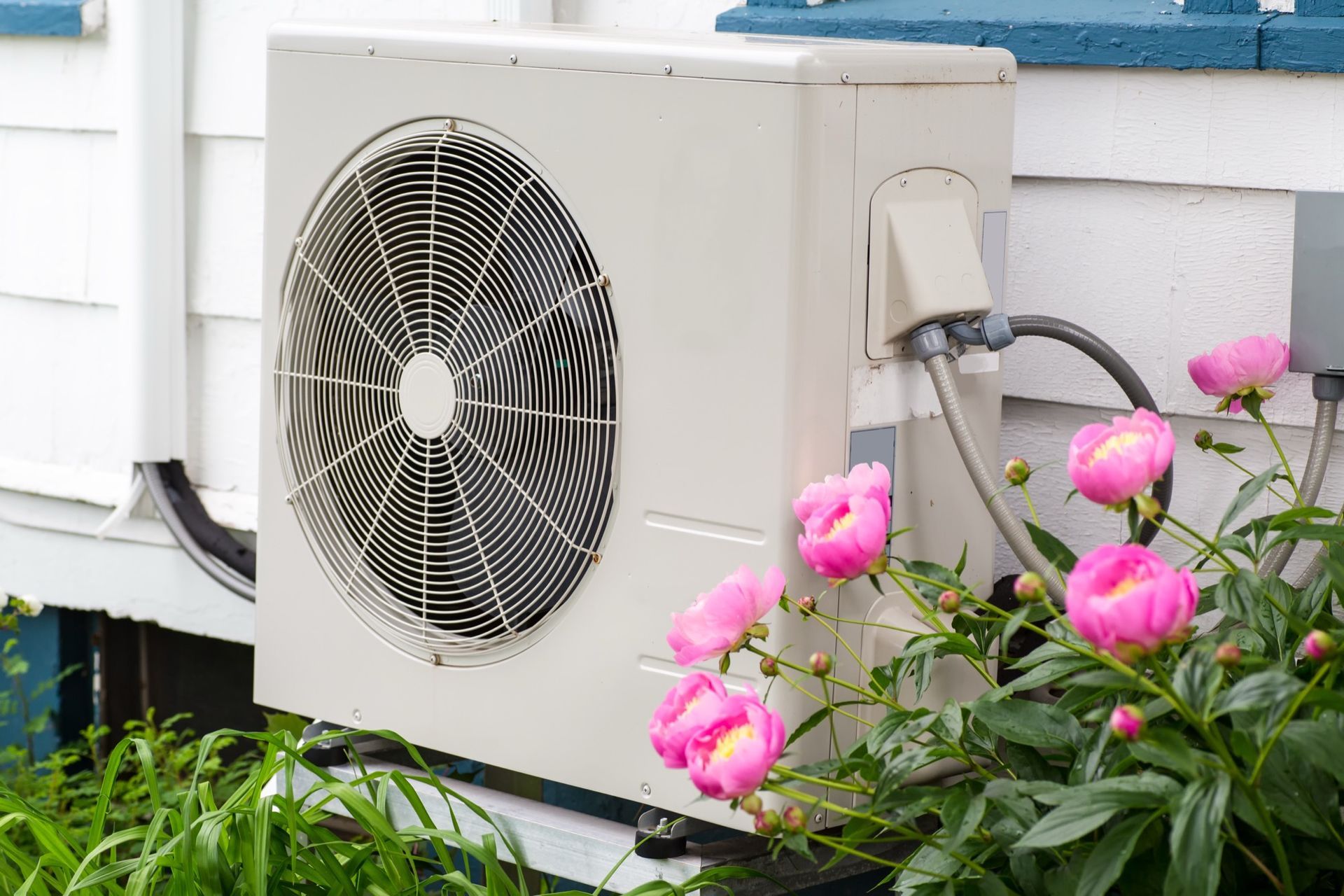
Any moisture or leaks around your HVAC unit are a cause for concern. While some condensation is normal, excessive moisture typically indicates serious problems, such as refrigerant leaks or blocked drains.

A refrigerant leak is a serious threat, as most refrigerants are poisonous. These leaks not only reduce the efficiency of your system but also put the health of your family at risk. Additionally, moisture can cause mold growth around and inside your system. This can lead to a breakout of respiratory illnesses and allergies.

Possible causes of moisture around your unit include:

  • Clogged or damaged condensate drain line
  • Cracked drain pan
  • Low refrigerants are causing coils to freeze
  • Damage to the refrigerant line

Moisture around your system can be caused by refrigerant leakage or ordinary water; both require immediate professional assessment. At Casey Services HVAC, we provide emergency HVAC repairs throughout Wake County.

A diagram showing how Net Metering works for a home.

Unpleasant Smells

If your HVAC system is producing foul smells, it is a definite sign of trouble. Musty or moldy smells indicate a moisture problem causing mold growth in your ducts or system components. And burning smells indicate a problem with your electrical connection, whether it is overheating or poor wiring.

Some HVAC-related smells to look out for include:

  • Musty or moldy smell: Often caused by mold or mildew inside your ducts or on your evaporator coils.
  • Burning smell: Often caused by overheated components, wiring issues, or motor failure. This should be treated as a fire risk.
  • Rotten egg smell: This could mean a gas leak. Leave your home immediately and call your HVAC contractor.
  • Chemical or sweet odor: This may signal a refrigerant leak, which is hazardous for your health.

Ignoring these smells will not only affect comfort but also compromise indoor air quality and potentially pose a hazard to family health. Depending on the issue, you may need a professional duct cleaning service or an electrician to resolve the problem.

HVAC Repair vs. Replacement: How to Decide

One of the most common questions we hear from homeowners in Raleigh and Wake Forest is: “Should I repair my HVAC system or replace it completely?”

The answer depends on the age, efficiency, and condition of your current system. Consider the following factors:

  • Your System is Less Than 10 Years Old: New systems usually have a lifespan of 15-20 years. Most repairs on systems under 10 years are cost-effective; some may even pay for themselves through increased energy efficiency.
  • Severity of the Problem: If the issue is something simple, such as a worn belt or minor electrical problems, consider a repair service.
  • Low or Constant Energy Bills: If the utility bill remains consistent, it means your HVAC system is still running efficiently and does not need replacement.
  • Repair Cost: If the repair cost is relatively low compared to the cost of replacing the entire unit, then consider it. A good rule of thumb is to consider air conditioner or furnace repair if the price is less than 30% of the cost of getting a replacement.
  • Warranty is Still Active: If your HVAC system is still under warranty, repairs may be covered, making it the obvious choice.

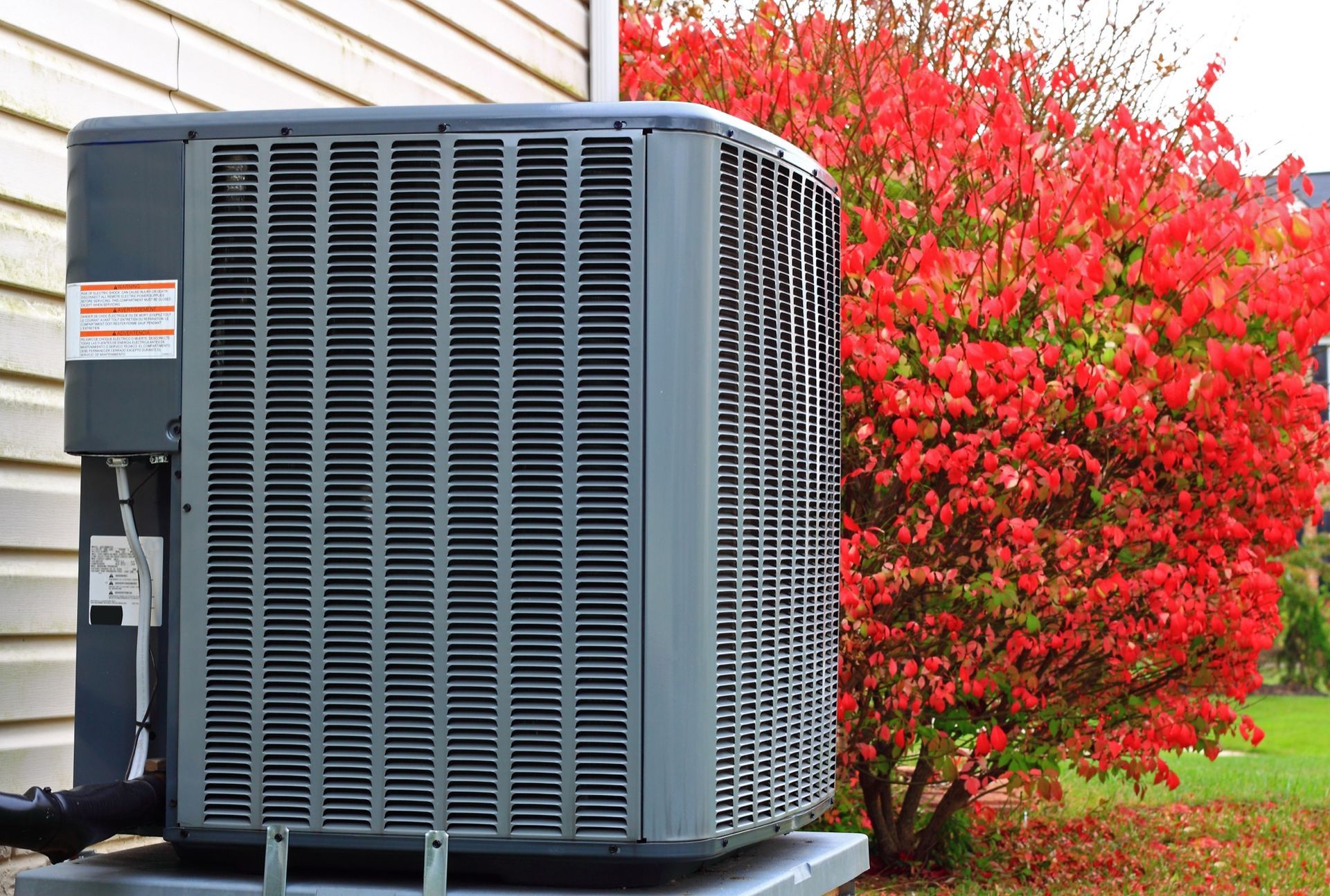
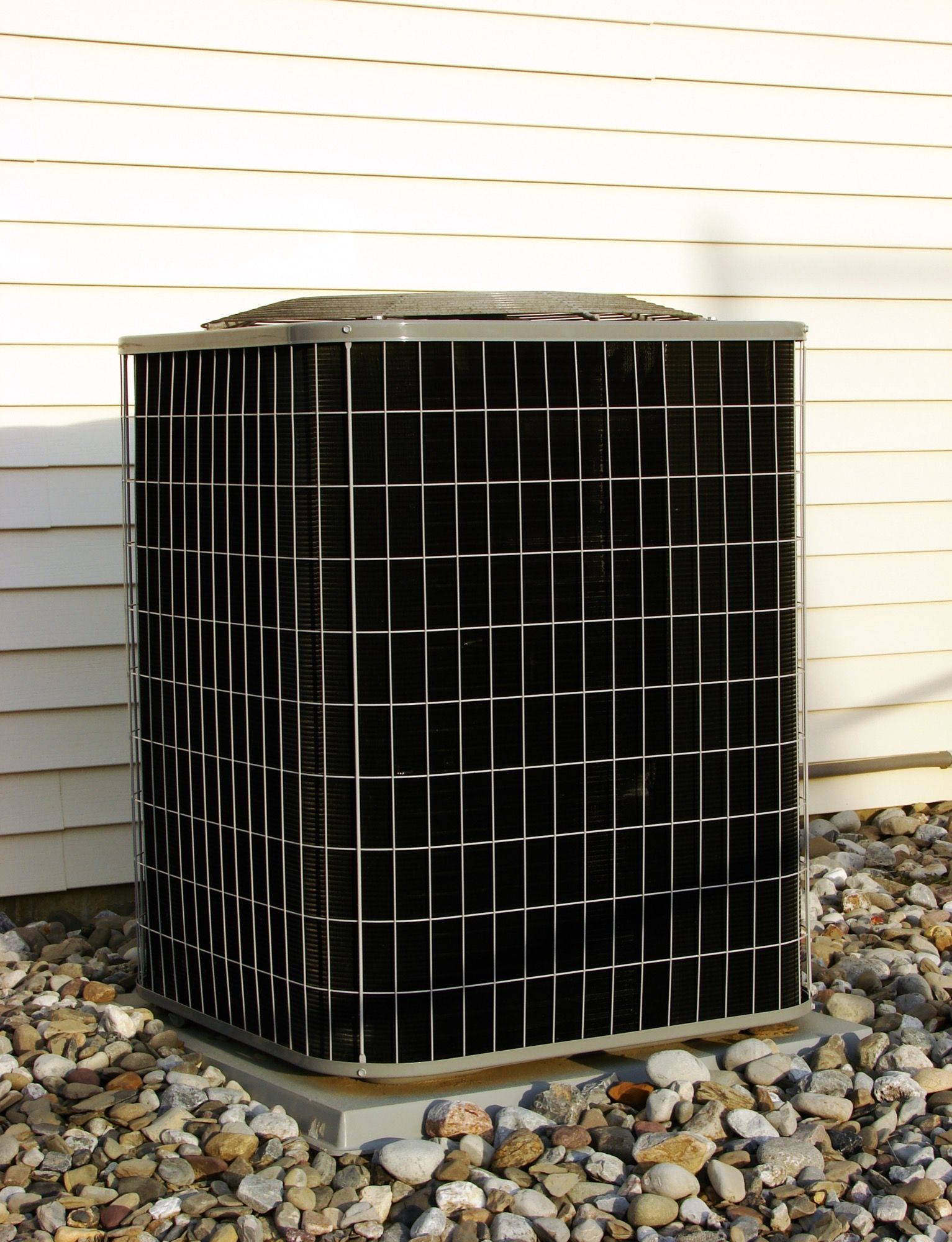
Looking through the vents of an AC unit a fan blade stays motionless

Alternatively, if you are dealing with any of these issues, it may be time to replace your unit:

  • Your System is Over 15 Years Old: Heating and cooling systems lose their efficiency over time, leading to frequent breakdowns and higher energy bills.
  • Frequent and Costly Repairs: If you have had to repair your system numerous times in the past and the same issue keeps occurring, or the problems continue to escalate, then it may be time to upgrade to a more reliable system.
  • Rising Energy Bills: An aging system will work harder to cool or heat your home, resulting in higher energy bills.
  • Oversized or Undersized Systems: If your system is too large or too small for your home, it can cause short cycling, frequent breakdowns, and even impact the overall comfort level in your home. Upgrade to a better-sized system for optimal comfort.

Summary

Your HVAC system is one of the most essential appliances in your home, so it’s crucial to keep it in good condition at all times. Delaying HVAC repairs can lead to bigger breakdowns, higher energy costs, and even health and safety risks in your home.

At Casey Services HVAC, we prioritize fast, efficient, and reliable repairs to protect and keep your home comfortable at all times. Schedule your HVAC repair now.

FAQs

How do I know when my HVAC system needs to be replaced?

It may be time to consider upgrading your system if it is more than 15 years old, requires frequent repairs, your energy bills are increasing, or certain rooms in your home are consistently too hot or too cold.

What are the most common HVAC repairs?

The top most common repairs for home HVAC systems are dirty air filters, leaking refrigerant lines, dirty condenser and evaporator coils, electrical problems, thermostat issues, tripped breakers, blower problems, and strange noises coming from your unit.

How do you know if your HVAC is broken?

Common signs of HVAC trouble include sudden temperature changes in your home, unusual odors emanating from vents, inconsistent heating and cooling, and high energy bills.

What is the most common problem with HVAC?

The most common HVAC problem is dirty air filters. They block airflow, forcing your system to work harder to meet your temperature needs. This can lead to overheating, increased wear and tear, and potentially cause system breakdown.

How do I troubleshoot my HVAC?

Tips for troubleshooting your HVAC system include checking the power, performing a system reset, inspecting the thermostat, replacing the filters, verifying electrical connections, and examining the vents for obstructions.

What is a significant repair in HVAC?

Major HVAC repairs include those to the compressor, blower motor, and heat exchanger.

What is the most expensive part of an HVAC?

The AC compressor is the most costly repair or replacement component within your HVAC unit.

How long does an HVAC last?

Most HVAC systems are expected to last 15 to 20 years, depending on the type of system and other contributing factors, such as regular maintenance activities.

How can I determine if my HVAC compressor is malfunctioning?

The signs of a bad compressor include gurgling or rattling, restricted airflow, refrigerant leaks, warm air flow, and tripping the circuit breaker.

How to Determine if the Refrigerant in an AC is Low?

Signs that your refrigerant is low include ice buildup on refrigerant lines, hissing noise, reduced airflow, water leaks, and increased energy bills.

Need help?

  • This field is hidden when viewing the form
  • This field is for validation purposes and should be left unchanged.

Recent Posts

June 15, 2026
Summer in North Carolina means longer days, higher temperatures, and plenty of afternoon thunderstorms. While these storms often provide a brief break from the heat, they can also pose a serious threat to your home's HVAC system. Many homeowners think of severe weather as a roofing or landscaping concern, but power surges, lightning strikes, and heavy rainfall can all impact your air conditioning system. As we head into the hottest months of the year, now is the perfect time to make sure your HVAC equipment is protected. How Summer Storms Affect Your HVAC System Your outdoor air conditioning unit is designed to withstand normal weather conditions, but severe summer storms can create problems that lead to costly repairs. Some of the most common storm-related HVAC issues include: Electrical damage from lightning strikes Power surges that damage control boards and capacitors Debris blown into outdoor units Flooding around equipment Tripped breakers and electrical interruptions Even if your system appears to be running normally after a storm, hidden electrical damage can sometimes surface days or weeks later. The Risk of Power Surges One of the biggest threats to HVAC systems during summer storm season is a power surge. When lightning strikes nearby or utility power fluctuates during a storm, a sudden spike in electricity can damage sensitive HVAC components. Modern air conditioning systems rely on electronic control boards, variable-speed motors, and advanced thermostats that can be vulnerable to voltage spikes. A single surge can result in expensive repairs or even premature system replacement. Keep Your Outdoor Unit Clear Summer storms often bring strong winds that can scatter branches, leaves, and other debris throughout your yard. After a storm passes, take a few minutes to inspect your outdoor unit. Remove any debris that may have accumulated around it and make sure there is at least two feet of clear space surrounding the equipment. Restricted airflow can reduce efficiency and put unnecessary strain on your system during the hottest days of summer. Watch for Drainage Issues Heavy rainfall is common throughout Wake Forest during the summer months. If water pools around your outdoor unit, it can create problems over time. While HVAC equipment is built to handle rain, standing water can contribute to corrosion, soil erosion around the unit, and potential electrical concerns. If you notice frequent pooling around your system, improving drainage around the equipment may help protect it from future damage. Signs Your HVAC System May Have Been Affected by a Storm After a significant thunderstorm, keep an eye out for warning signs such as: The system won't turn on Frequent breaker trips Unusual noises Weak airflow Inconsistent cooling Thermostat communication issues Higher-than-normal energy bills Addressing these issues early can often prevent larger and more expensive repairs later. Consider Surge Protection for Your HVAC System Many homeowners protect televisions, computers, and appliances with surge protectors but overlook one of the most expensive pieces of equipment in their home—the HVAC system. A professionally installed HVAC surge protector can help shield critical components from damaging electrical spikes and may save you from costly repairs down the road. If your system is newer or contains advanced electronics, surge protection is worth considering. Schedule a Mid-Summer HVAC Inspection Your air conditioner works hardest during June, July, and August. A mid-season inspection can help identify storm-related damage, electrical concerns, or performance issues before they lead to a breakdown during a heat wave. Routine maintenance also helps improve efficiency, lower energy costs, and extend the life of your equipment. Stay Comfortable All Summer Long North Carolina's summer weather can be unpredictable, but your home comfort shouldn't be. Taking a few simple steps to protect your HVAC system from storms, power surges, and heavy rainfall can help keep your equipment running reliably throughout the season. If you've experienced a recent storm or simply want peace of mind before the hottest weather arrives, Casey Services is here to help. Our experienced technicians can inspect your system, identify potential issues, and keep your HVAC equipment operating at its best all summer long. Contact Casey Services today to schedule your HVAC inspection and stay prepared for whatever summer weather brings.
May 28, 2026
As temperatures rise across Wake Forest and the surrounding areas, many homeowners start noticing something frustrating inside their homes — it feels sticky and humid even though the air conditioner is running. If your home never quite feels comfortable during a North Carolina summer, your HVAC system may be cooling the air without properly removing humidity. And while temperature matters, indoor humidity plays a huge role in how comfortable your home actually feels. Why Humidity Matters More Than You Think Your air conditioner does more than cool your home. It also helps remove moisture from the air. When humidity levels climb too high indoors, you may notice: Rooms feeling clammy or muggy Uneven comfort throughout the house Musty odors Increased allergy symptoms Condensation around vents or windows Higher energy bills Even if your thermostat says 72 degrees, high humidity can make your home feel much warmer and far less comfortable. What Causes Indoor Humidity Problems? There are several reasons your HVAC system may struggle to control humidity during the summer months. Your AC System May Be Oversized Many homeowners assume bigger is better when it comes to air conditioning, but an oversized system can actually create humidity issues. If your AC cools the home too quickly, it shuts off before completing a full cooling cycle. That means it does not run long enough to properly remove moisture from the air. The result? A cool house that still feels damp and uncomfortable. Dirty Coils or Poor Maintenance When your system is dirty or not properly maintained, airflow and performance suffer. Reduced airflow can limit your system’s ability to dehumidify your home effectively. Regular HVAC maintenance helps keep your system operating efficiently during the hottest and most humid months of the year. Air Leaks Around Your Home Warm outdoor air can sneak into your home through gaps around doors, windows, attic spaces, or ductwork. As that humid air enters your home, your HVAC system has to work harder to maintain comfort. In many cases, humidity issues are a combination of HVAC performance and air leakage. Your System Is Aging Older HVAC systems often struggle to maintain consistent indoor comfort, especially during North Carolina summers when heat and humidity levels stay high for extended periods. If your system constantly runs but your home still feels uncomfortable, it may be time to evaluate whether your equipment is still meeting your home’s needs efficiently. What Is the Ideal Indoor Humidity Level? Most homeowners feel the most comfortable when indoor humidity stays between 40% and 50%. Higher humidity levels can make your home feel warmer than it actually is, forcing you to lower the thermostat and increasing energy costs. Proper humidity control can help your home feel cooler without constantly adjusting the temperature. How Casey Services Can Help At Casey Services, we help homeowners throughout Wake Forest and the surrounding areas improve comfort, efficiency, and indoor air quality all summer long. Whether your system needs maintenance, airflow adjustments, repairs, or a full evaluation, our team can help identify what is causing your home to feel humid and uncomfortable. If your air conditioner is running but your home still feels sticky, it may be time to have your system inspected before the hottest part of summer arrives. Contact Casey Services today to schedule your HVAC service and keep your home cool, comfortable, and humidity-free this summer.
April 30, 2026
Spring in Wake Forest brings warmer temperatures, blooming trees, and one thing every North Carolina homeowner knows well — pollen season. That yellow-green layer covering cars, porches, and sidewalks is more than just an annoyance. Spring pollen can also affect your HVAC system, indoor air quality, and overall home comfort in ways many homeowners don’t realize. If your allergies seem worse indoors or your HVAC system is working harder this time of year, pollen buildup could be playing a major role. How Spring Pollen Gets Into Your Home Even with doors and windows closed, pollen still finds ways inside your home. Every time doors open, pets come in from outside, or air circulates through your HVAC system, pollen particles can enter and spread throughout the house. Once inside, your HVAC system becomes the first line of defense. Your air filter is designed to capture airborne particles like pollen, dust, and debris before they continue circulating through your home. But during peak spring pollen season in North Carolina, filters can become clogged much faster than usual. What Happens When Your Air Filter Gets Clogged A dirty or overloaded air filter restricts airflow throughout your HVAC system. When airflow is reduced, your system has to work harder to maintain comfortable temperatures. That extra strain can lead to: Reduced cooling efficiency Higher energy bills Uneven temperatures throughout the home Poor indoor air quality Increased wear and tear on HVAC components More dust and allergens circulating indoors Many homeowners assume allergy symptoms are only caused by outdoor exposure, but poor HVAC airflow and dirty filters can make indoor conditions even worse. Why Indoor Air Quality Matters During Pollen Season Spring allergies are especially common across Wake Forest and the surrounding areas because of the heavy tree pollen that arrives each year. If your HVAC system is not properly maintained, pollen particles can continue circulating through your home long after you come inside. Signs your indoor air quality may be suffering include: Increased sneezing or allergy symptoms indoors Dust buildup around vents Stale or stuffy air More frequent headaches or congestion Excess dust throughout the home Routine HVAC maintenance and proper filtration can make a noticeable difference in indoor comfort during allergy season. How Often Should You Change Your Air Filter in Spring? During peak pollen season, many homeowners need to replace their air filters more frequently than they do during winter. While every home is different, spring is a good time to check your filter monthly — especially if you: Have pets Live near heavy tree coverage Keep windows open often Have family members with allergies or asthma Notice excess dust indoors A clean air filter helps your HVAC system operate more efficiently while improving indoor airflow and reducing airborne allergens. Don’t Ignore Reduced Airflow If certain rooms feel stuffy, airflow seems weaker than usual, or your system runs longer throughout the day, pollen buildup may be contributing to the problem. In some cases, clogged filters can even lead to frozen evaporator coils or unnecessary strain on the blower motor. Addressing airflow issues early can help prevent larger HVAC problems as temperatures continue rising heading into summer. Simple Ways to Protect Your HVAC System This Spring There are several easy ways homeowners can help reduce pollen-related HVAC issues: Replace air filters regularly Schedule seasonal HVAC maintenance Keep windows closed during high pollen days Vacuum and dust frequently indoors Clean around vents and return air grilles Consider upgraded filtration or indoor air quality solutions Preventive maintenance is especially important this time of year because your system is preparing for the heavier cooling demands of summer. Prepare Your HVAC System Before Summer Arrives North Carolina pollen season does more than trigger allergies — it can also impact your HVAC system’s efficiency, airflow, and performance. At Casey Services, we help Wake Forest homeowners stay comfortable year-round with professional HVAC maintenance, repairs, and indoor air quality solutions. If your home feels dusty, stuffy, or your system seems to be working overtime this spring, now is the perfect time to schedule an HVAC inspection before summer heat arrives.
Mitsubishi Ductless
By HVAC Pros September 24, 2025
Did you know that many of the energy-efficient tax credits passed in 2022 are now expiring? Were you able to take advantage of these credits? If not, there is still time left, as the Mitsubishi HVAC tax credit is available through the end of 2025. In this article, we’ll cover the fundamentals of the Mitsubishi tax credit, including how you can maximize the tax credit and important information about the upcoming expiration date.
HVAC Credit
By HVAC Pros September 24, 2025
Are you looking for ways to lower the cost of upgrading your HVAC? Countless homeowners put off HVAC upgrades because the costs quickly add up. However, there are incentives in place to help you lower the cost of upgrading, one of which is the Mitsubishi HVAC credit. In this article, we’ll talk about the Mitsubishi HVAC credit, including the type of HVAC upgrades that qualify, how to claim the credit, and ways this credit makes your upgrade more affordable.
Two men inspecting an HVAC unit outdoors, one holding a clipboard.
By praveen August 28, 2025
The U.S. has banned the production and import of Freon (R-22), so while you can still use your current Freon-based AC, repairs are costly and often impractical due to limited supply and certified technicians. Since new units no longer support R-22, the most cost-effective long-term solution is to replace your system with a modern, eco-friendly alternative.
Man on brown couch, using a blue fan, looking distressed.
By praveen August 27, 2025
If your AC is not cooling your space as efficiently as before or running longer than normal to keep your home cool, you may have a low Freon issue.
Person's hands using a calculator, with paperwork and charts in the background on a desk.
By praveen August 18, 2025
Delaying AC repairs might seem harmless at first, but it can quickly lead to higher costs, less comfort, and even safety risks. For homeowners in North Carolina, especially during the hot summer, a dependable air conditioner isn’t just a comfort — it’s a must-have.
Close-up of a white air conditioner unit fan with a metal grate.
By praveen August 18, 2025
One of the most common reasons your air conditioner (AC) suddenly stops cooling is a broken fan motor. This important part moves air over the condenser coil, helping to keep your home cool during summer.
A dusty air filter, open access panel, and a metal grate in a corner of a room, next to a power outlet.
By praveen August 5, 2025
Most HVAC problems start small. If you change your filters, get regular check-ups, clean the outdoor unit, use a smart thermostat, and fix air leaks, you can avoid expensive repairs. If you live in Raleigh, Wake Forest, or nearby, keeping up with these tips will help your AC work better and last longer. With the right care and expert help, your home will stay cool and comfy without breaking the bank.
Show More